
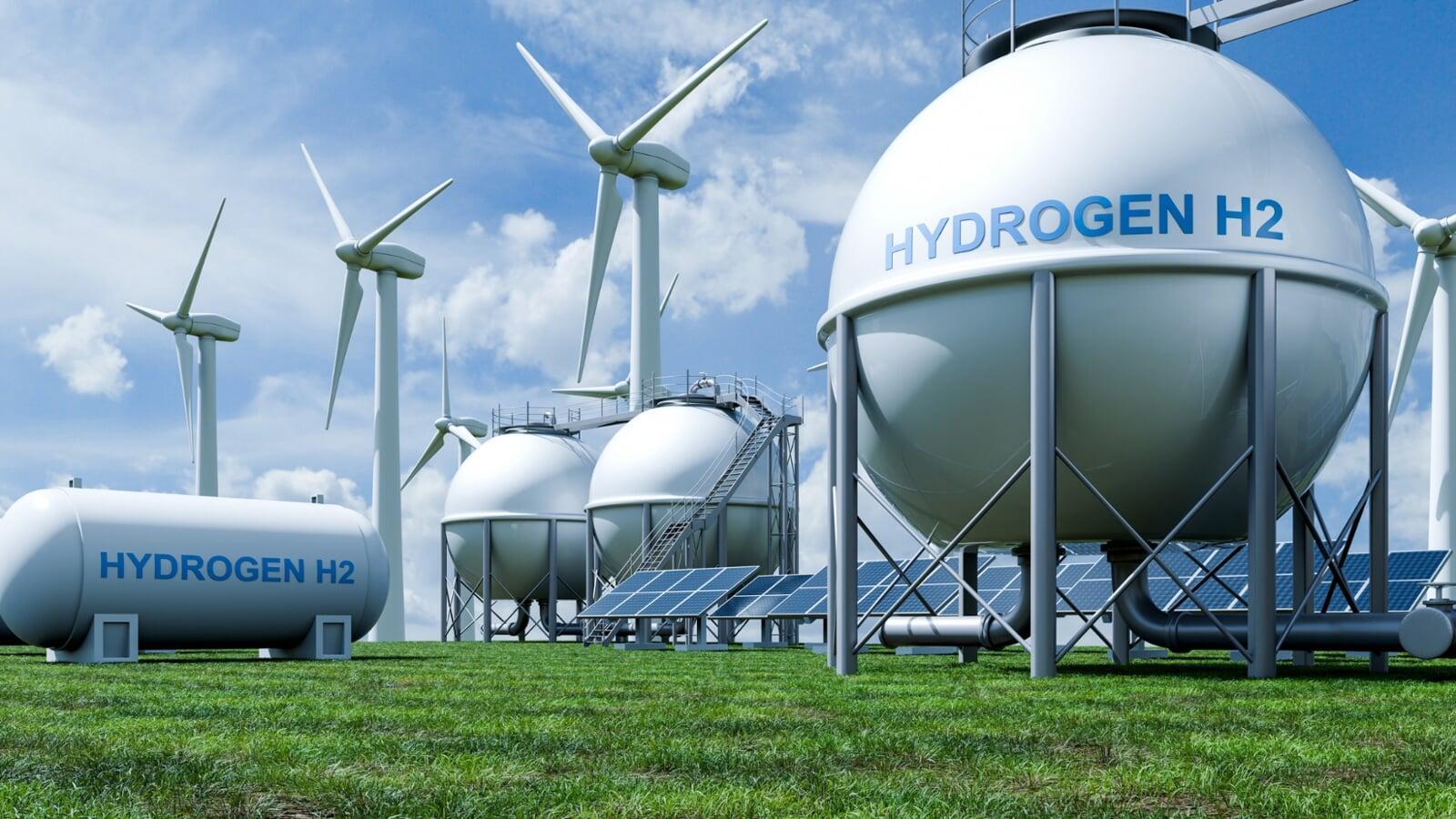
How Green Hydrogen Is Reshaping the Future of Global Energy
The global energy sector is at a turning point. As countries race to achieve net-zero emissions and reduce dependence on fossil fuels, governments and industries are investing heavily in technologies that can deliver reliable, low-carbon energy. Among these emerging solutions, hydrogen has become one of the most promising—and most talked about.
Once primarily used in industries such as refining and fertilizer production, hydrogen is now gaining momentum as a clean energy carrier capable of transforming sectors that are difficult to electrify, including heavy industry, aviation, shipping, and long-distance transportation. Unlike conventional fuels, hydrogen has the potential to significantly reduce carbon emissions when produced using renewable energy, making it a cornerstone of the global energy transition.
The pace of investment reflects this growing confidence. According to the International Energy Agency (IEA), governments worldwide have announced ambitious hydrogen strategies, while private-sector investment continues to accelerate. More than 1,500 large-scale hydrogen projects have been announced globally, representing over USD 680 billion in planned investments through 2030, although many remain under development. These projects span production, infrastructure, transportation, and industrial applications, highlighting the rapid evolution of the hydrogen economy.
The Middle East—and particularly the Gulf Cooperation Council (GCC)—is expected to play a pivotal role in this transformation. With abundant renewable energy resources, existing energy infrastructure, and strong government support, countries such as the United Arab Emirates and Saudi Arabia are positioning themselves to become global leaders in hydrogen production and export.
But what exactly is the hydrogen economy, and why is it attracting such unprecedented attention?
What Is the Hydrogen Economy?
The hydrogen economy refers to an energy system in which hydrogen is produced, stored, transported, and used as a clean source of energy across multiple sectors of the economy. Rather than serving as a primary energy source like wind or solar, hydrogen acts as an energy carrier—similar to electricity—allowing energy to be stored and delivered when and where it is needed.
Its versatility is one of its greatest strengths. Hydrogen can power fuel cells for vehicles, generate electricity, provide industrial heat, and serve as a feedstock for manufacturing processes. When used in fuel cells, the only by-product is water vapor, making hydrogen an attractive option for reducing greenhouse gas emissions in sectors where electrification alone is not practical.
Grey Hydrogen
Grey hydrogen is currently the most common form of hydrogen production. It is produced using natural gas through a process known as steam methane reforming (SMR). While cost-effective, this method releases significant amounts of carbon dioxide into the atmosphere, making it the least sustainable option.
Today, grey hydrogen accounts for the majority of global hydrogen production and contributes substantially to industrial carbon emissions.
Blue Hydrogen
Blue hydrogen follows the same production process as grey hydrogen but incorporates carbon capture, utilization, and storage (CCUS) technologies to capture much of the carbon dioxide generated during production.
Although blue hydrogen reduces emissions compared to grey hydrogen, its overall environmental impact depends on the efficiency of carbon capture systems and the management of captured carbon.
Many countries view blue hydrogen as a transitional solution while renewable energy capacity continues to expand.
Green Hydrogen
Green hydrogen represents the cleanest and most sustainable pathway.
Instead of using fossil fuels, green hydrogen is produced through electrolysis, a process that splits water into hydrogen and oxygen using electricity generated from renewable energy sources such as solar or wind power. Because no fossil fuels are involved, the production process generates virtually no direct carbon emissions.
This makes green hydrogen a key technology for achieving global climate goals and supporting long-term energy security.
According to the International Renewable Energy Agency (IRENA), continued declines in renewable electricity costs and improvements in electrolyzer technology are expected to make green hydrogen increasingly competitive over the coming decade, accelerating its adoption across multiple industries.
Why Hydrogen Matters
Hydrogen is receiving unprecedented global attention because it offers solutions to challenges that many other clean energy technologies cannot fully address.
Unlike batteries, hydrogen can store large amounts of energy for extended periods. It can fuel industrial processes requiring extremely high temperatures, power heavy-duty transportation, and provide long-duration energy storage to complement renewable electricity generation.
As countries continue investing in clean energy infrastructure, hydrogen is increasingly viewed as a bridge between renewable energy production and sectors where direct electrification remains technically or economically challenging.
This growing role is expected to make hydrogen one of the defining energy technologies of the coming decades.
Global Market Trends: Why Governments Are Betting Billions on Hydrogen
Hydrogen has evolved from a niche industrial resource into one of the world's most strategic energy investments. As countries accelerate efforts to decarbonize their economies, hydrogen is increasingly viewed as a critical solution for achieving climate goals while maintaining energy security and industrial competitiveness.
Unlike many emerging technologies, hydrogen is benefiting from unprecedented collaboration between governments, energy companies, and investors. National hydrogen strategies are now shaping energy policies across Europe, Asia, North America, and the Middle East, creating an ecosystem that extends far beyond power generation.
According to the Hydrogen Council, more than 1,500 large-scale hydrogen projects have been announced worldwide, representing approximately USD 680 billion in planned investments through 2030. These projects span the entire hydrogen value chain—from production and storage to transportation, infrastructure, and industrial applications. While not every announced project has reached the construction phase, the scale of planned investment demonstrates growing global confidence in hydrogen's long-term potential.
The International Energy Agency (IEA) reports that announced electrolyzer manufacturing capacity has expanded rapidly in recent years, reflecting increasing demand for green hydrogen production. Electrolyzers, which use electricity to split water into hydrogen and oxygen, are central to the growth of the green hydrogen economy. As manufacturing scales up and renewable electricity costs continue to decline, the cost of producing green hydrogen is expected to become increasingly competitive with conventional hydrogen production methods.
This momentum is also reflected in market forecasts. According to Grand View Research, the global hydrogen generation market was valued at approximately USD 177.8 billion in 2024 and is projected to grow at a compound annual growth rate (CAGR) of 10.4% through 2030, driven by rising industrial demand and the transition toward cleaner energy systems.
Why Investment IsAccelerating
Several global trends are fuelling investment in hydrogen technologies.
Decarbonizing Heavy Industry
Industries such as steel, cement, chemicals, and refining are among the largest contributors to global carbon emissions. Many of these sectors require extremely high temperatures that are difficult to achieve using electricity alone.
Hydrogen offers a practical alternative by providing a clean fuel capable of supporting industrial processes while reducing greenhouse gas emissions. This makes it an essential component of many countries' decarbonization strategies.
Strengthening Energy Security
Recent geopolitical events have highlighted the importance of diversifying energy supplies.
Many countries are investing in domestic hydrogen production to reduce dependence on imported fossil fuels while increasing the resilience of their energy systems. Because green hydrogen can be produced using locally available renewable resources such as solar and wind, it offers greater flexibility and long-term energy independence.
Expanding Renewable Energy
Renewable energy generation continues to grow rapidly around the world. However, renewable sources such as solar and wind are inherently variable.
Hydrogen provides an effective solution for storing excess renewable electricity that might otherwise be wasted.
This stored energy can later be converted back into electricity or used directly in industrial processes, transportation, or heating, helping to stabilize future energy systems.
The Rise of Green Hydrogen
While hydrogen itself has been used commercially for decades, the focus has shifted toward green hydrogen, which is produced using renewable electricity and emits virtually no direct carbon emissions during production.
According to the International Renewable Energy Agency (IRENA), the declining cost of renewable electricity, combined with continued improvements in electrolyzer efficiency, is expected to significantly improve the economics of green hydrogen over the coming decade.
This transition is encouraging governments and private investors to prioritize projects that align with long-term sustainability goals rather than conventional fossil fuel-based hydrogen production.
Key Industries Driving Demand
The hydrogen economy is expanding because it supports sectors where direct electrification remains difficult.
Industries expected to drive the highest demand include:
- Steel manufacturing
- Chemical production
- Oil and gas refining
- Maritime shipping
- Aviation
- Heavy-duty transportation
- Power generation and grid storage
For these sectors, hydrogen is not simply an alternative fuel—it represents one of the few viable pathways toward deep decarbonization without compromising operational performance.
A Market Built for Long-Term Growth
Unlike many emerging technologies that experience rapid cycles of investment and decline, the hydrogen economy is supported by long-term policy commitments, industrial demand, and global climate objectives.
Governments across more than 60 countries have already published national hydrogen strategies, recognizing hydrogen as a key pillar of future energy systems. Combined with increasing private-sector investment and technological innovation, these policies are creating a strong foundation for sustained market growth over the coming decades.
As the hydrogen economy matures, the focus will increasingly shift from announcing ambitious projects to building the infrastructure, supply chains, and skilled workforce needed to support large-scale commercial deployment.
The GCC's Hydrogen Ambition: Leading the Next Energy Revolution
While hydrogen is gaining momentum worldwide, the Gulf Cooperation Council (GCC) is uniquely positioned to become one of the world's leading producers and exporters of clean hydrogen. With abundant solar resources, established energy infrastructure, and decades of expertise in large-scale energy projects, countries across the region are accelerating investments to diversify their economies and support the global energy transition.
The United Arab Emirates has emerged as one of the region's pioneers. In 2023, the UAE launched its National Hydrogen Strategy, setting an ambitious goal to become one of the world's top producers of low-carbon hydrogen by 2031. The strategy aims to establish hydrogen as a key pillar of the nation's clean energy portfolio while creating new opportunities across manufacturing, transportation, and export markets.
Major organizations, including Masdar, ADNOC, and TAQA, are investing in hydrogen production, carbon capture technologies, and international partnerships to strengthen the UAE's position in the global hydrogen economy. These initiatives align with the country's broader commitment to achieving net-zero emissions by 2050 while maintaining its role as a global energy leader.
The momentum extends beyond the UAE. Saudi Arabia's NEOM Green Hydrogen Project, expected to become one of the world's largest green hydrogen facilities, highlights the region's commitment to developing large-scale renewable energy infrastructure. Oman is also advancing multiple hydrogen projects, leveraging its renewable energy potential and strategic location to serve international markets.
According to the Hydrogen Council, global demand for clean hydrogen is expected to grow significantly over the coming decades, creating new opportunities for countries capable of producing hydrogen at scale. The GCC's natural advantages—including year-round solar resources, available land, and existing export infrastructure—position it as a future hub for hydrogen production and international trade.
Building the Workforce Behind the Hydrogen Economy
While investment in infrastructure is accelerating, the long-term success of the hydrogen economy will depend on developing a skilled workforce capable of designing, operating, and maintaining these complex energy systems.
The transition toward hydrogen will create growing demand for professionals across multiple disciplines, including:
- Mechanical Engineering
- Electrical Engineering
- Process Engineering
- Instrumentation and Control
- Health, Safety, and Environment (HSE)
- Project Management
- Asset Integrity and Reliability
These professionals will play a critical role in supporting hydrogen production facilities, storage systems, transportation networks, and industrial applications.
As the industry continues to evolve, organizations that invest in workforce development and technical expertise will be better positioned to capitalize on emerging opportunities in the global clean energy market.
Looking Ahead
The hydrogen economy is no longer a distant vision—it is becoming a defining part of the global energy transition. Backed by substantial government investment, technological innovation, and increasing industrial demand, hydrogen is expected to play an essential role in reducing emissions across sectors that are difficult to electrify.
For the UAE and the wider GCC, this transition represents more than an environmental initiative. It is an opportunity to lead the next chapter of global energy while fostering economic diversification, technological innovation, and sustainable growth.
As industries continue to embrace hydrogen technologies, one thing is clear: the future of energy will rely not only on breakthrough technologies but also on the skilled professionals who bring them to life. Developing the knowledge and expertise needed to support this transformation will be essential for organizations and individuals seeking to thrive in the evolving energy landscape.
