Oversupply, Restructuring, and Policy Shifts
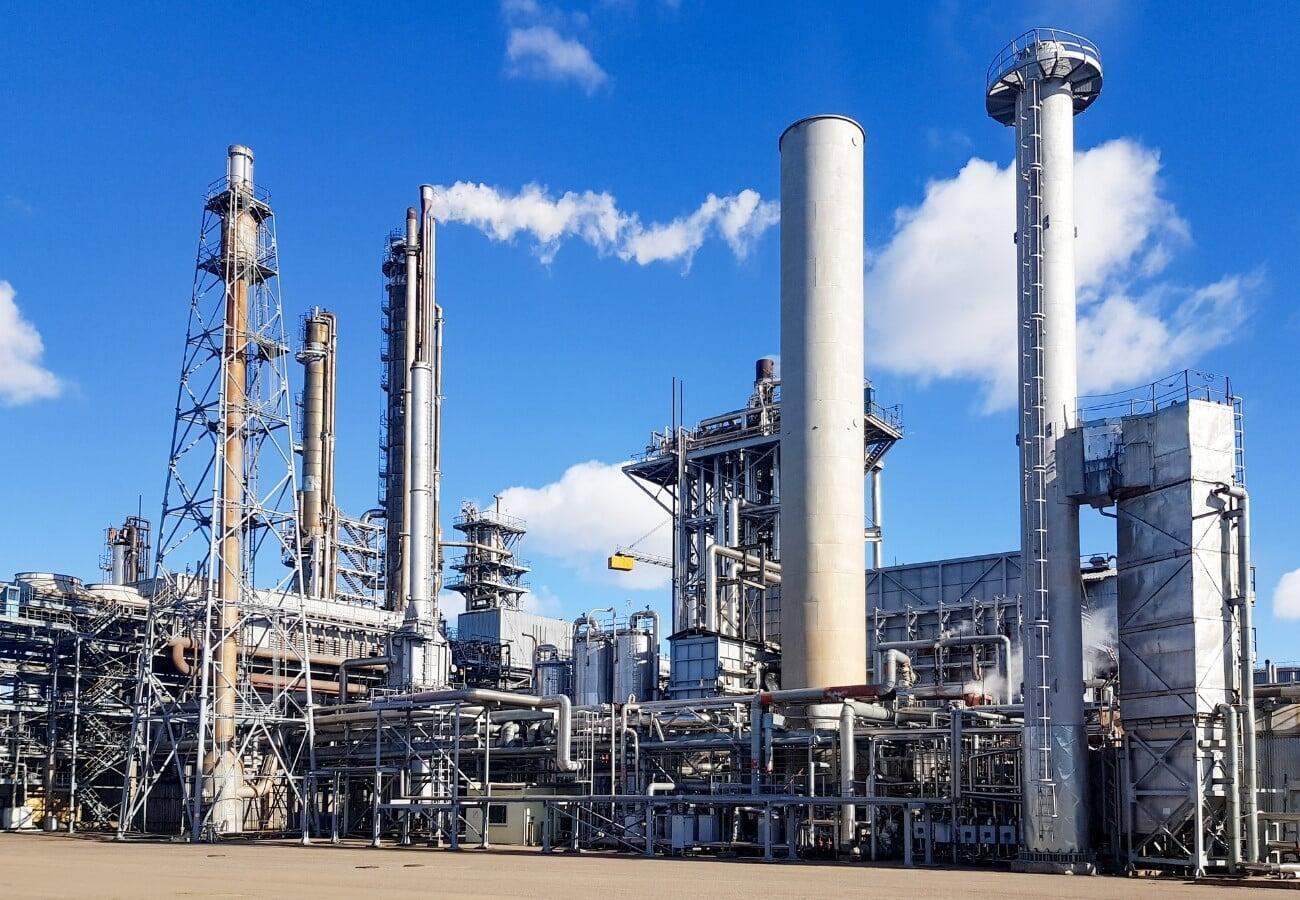
The most important petrochemicals story in the region right now is that the UAE is moving from “capacity build-up” to a more integrated, globally competitive chemicals platform—while policy shifts on plastics are beginning to influence demand and product strategy. From Ruwais expansions to polyolefins scale-ups, the petrochemical market UAE is positioning for long-term resilience.
Ruwais is being set up for world-scale industrial chemicals growth
A major 2026 development is ADNOC and TAQA signing a long-term utilities agreement designed to supply critical utilities to the TA’ZIZ Industrial Chemicals Zone in Ruwais Industrial City. This is foundational infrastructure: utilities capacity is what enables large chemical production at scale, and it signals long-horizon commitment to industrial growth in Abu Dhabi.
ADNOC + OMV’s “global polyolefins champion” plan is a direct UAE petrochemicals growth signal
Another key indicator for petrochemicals is the planned creation of a global polyolefins platform combining Borouge and Borealis (with broader strategic ambitions). The announcements describe a large-scale polyolefins “champion” structure and explicitly reference a plan to raise up to $4 billion in 2026 for inclusion and credit strength—signals of growth and capital-market positioning.
On the operational side, OMV’s release also points to Borouge 4 being recontributed by the end of 2026—highlighting how Ruwais-linked assets remain central to the UAE’s petrochemical outlook.
Plastics policy is starting to shape polymer demand signals inside the UAE
Demand drivers aren’t only industrial—they’re also regulatory. Dubai Municipality announced the final phase of its single-use plastic restrictions will take effect from 1 January 2026, expanding the list of banned single-use plastic products.
Why it matters for petrochemicals: this accelerates the importance of product mix—reusable alternatives, compliant packaging formats, and recycled-content pathways. For UAE polymer producers and converters, policy shifts can influence which grades grow fastest and where value migrates (e.g., packaging redesign, substitution, recycling-linked specifications).
Regional integration remains the long-game strategy
Across the wider region, integration continues to be the competitive play: Aramco, ExxonMobil and Samref signed a framework agreement to evaluate a refinery upgrade and expansion into an integrated petrochemical complex.
Even though this project is not in the UAE, it reinforces the same regional direction: convert more of the barrel into chemicals and strengthen value chains.