
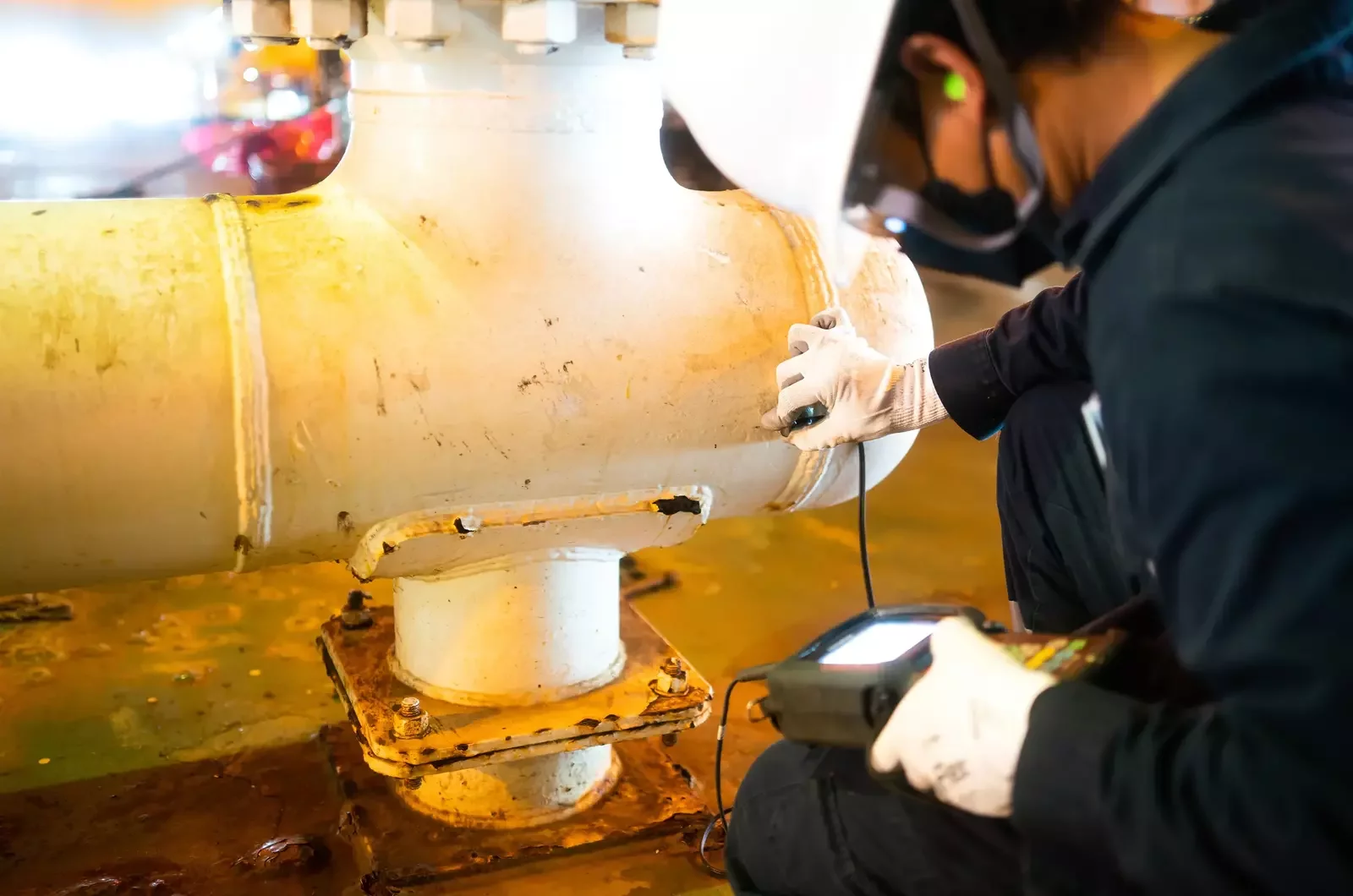
Mechanical Integrity Is Becoming a Competitive Advantage: What’s Changing in 2026
In today’s margin-focused environment, mechanical integrity is no longer “just compliance.” It’s one of the most direct ways to protect uptime, reduce unplanned shutdowns, and improve reliability across critical assets. The mechanical integrity program is evolving fast—driven by smarter maintenance for rotating equipment, better approaches to corrosion under insulation, and tighter inspection expectations.
Rotating equipment reliability is going digital
A major shift in asset integrity is the use of digital tools and predictive approaches to improve reliability and reduce downtime in turbomachinery and other rotating assets. The direction is clear: more condition monitoring, better analytics, and maintenance plans built around performance—not calendars.
Corrosion under insulation is still a top integrity risk—detection is improving
Corrosion under insulation (CUI) remains a persistent threat because it can progress unseen until leaks, failures, or forced shutdowns occur. New detection approaches are gaining traction; for example, DNV qualified a technology designed to detect CUI and trapped moisture in real time—showing the industry’s push for earlier visibility and stronger prevention.
Codes and inspection expectations are tightening
Pressure equipment requirements continue to evolve. ASME’s BPVC 2025 highlights significant changes and updates across the code ecosystem, impacting design, inspection, and engineering practices.
On the inspection side, the latest API 510 edition adds stronger guidance, including a detailed section for analysis of inspection results to ensure pressure vessels remain fit-for-service.
Key takeaway
The strongest mechanical integrity programs in 2025–2026 are the ones treated as a performance system, not a paperwork exercise. The goal is simple: reduce unplanned shutdowns by catching degradation earlier (especially CUI), improving the quality of inspection decisions, and using better reliability data from rotating equipment to plan maintenance before failures occur. In practice, that means tightening the link between risk-based inspection and real field conditions, modernizing how rotating assets are monitored and analyzed, and ensuring pressure equipment decisions are aligned with current code and inspection expectations such as ASME BPVC updates and the latest API 510 guidance.
The strongest mechanical integrity programs in 2025–2026 are the ones treated as a performance system, not a paperwork exercise. The goal is simple: reduce unplanned shutdowns by catching degradation earlier (especially CUI), improving the quality of inspection decisions, and using better reliability data from rotating equipment to plan maintenance before failures occur. In practice, that means tightening the link between risk-based inspection and real field conditions, modernizing how rotating assets are monitored and analyzed, and ensuring pressure equipment decisions are aligned with current code and inspection expectations such as ASME BPVC updates and the latest API 510 guidance.
