
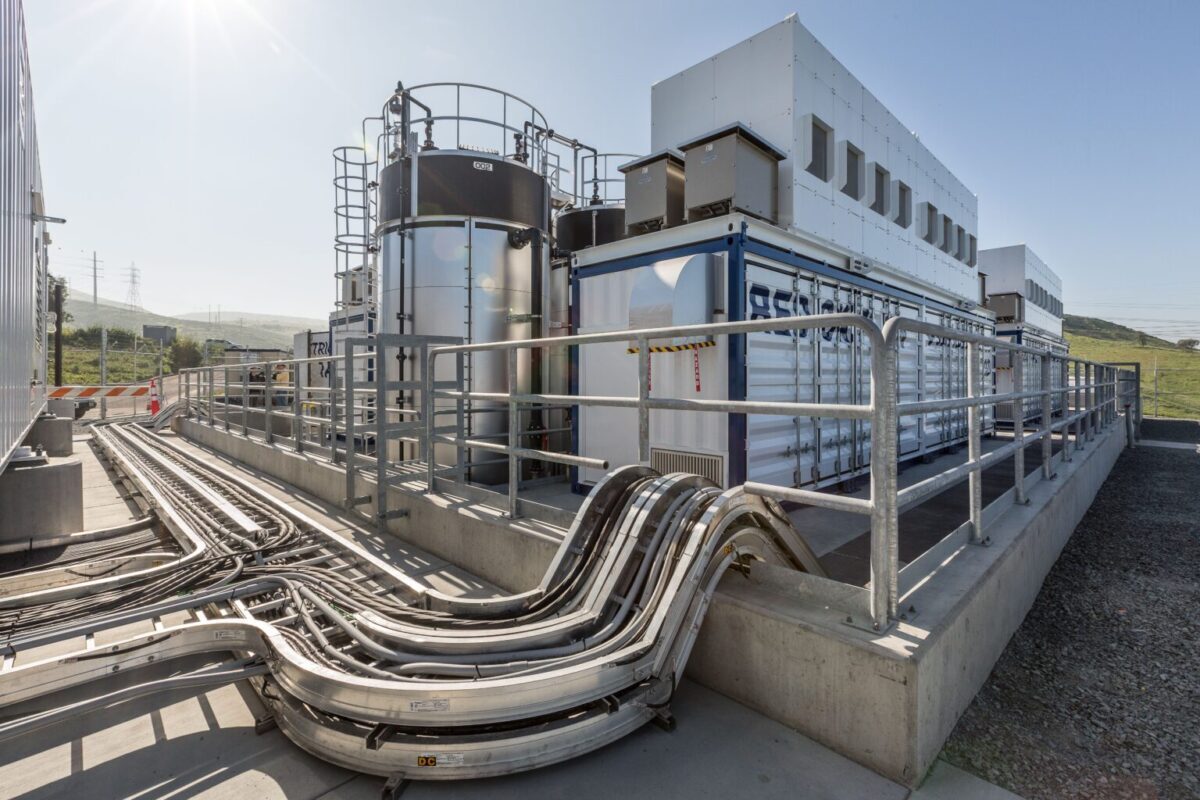
2025 Trends Shaping the Industry
As global energy systems rapidly shift toward renewable power, the demand for advanced energy storage solutions has grown at an unprecedented pace. In 2025, innovation in battery technology, grid-scale storage, and hybrid energy systems is reshaping how nations—and organizations—manage power reliability, sustainability, and efficiency.
For professionals in the power and energy sectors, understanding these trends is no longer optional. It’s essential for staying competitive in a market moving toward smarter, cleaner, and more resilient energy infrastructure.
This article explores thetop energy storage innovation trends of 2025and what they mean for the industry.
1. Long-Duration Energy Storage Takes Center Stage
One of the biggest shifts in 2025 is the rise ofLong-Duration Energy Storage (LDES) technologies—especially flow batteries, metal-air systems, and thermal storage.
Why It’s Trending
- Growing adoption of solar and wind requires storage that lasts 8–100+ hours.
- Many countries are replacing thermal generation, increasing the need for backup power.
- LDES offers more stable, scalable, and cost-effective options compared to lithium-ion for grid applications.
Key Benefits
- Excellent durability (10,000+ cycles)
- Low degradation over time
- Enhanced grid flexibility and resilience
Flow batteries—especially vanadium and zinc-based systems—are becoming the preferred option for utilities looking to stabilize renewable-heavy grids.
2. Solid-State Batteries Move Toward Commercial Reality
Solid-state batteries have been “the future” for years, but 2025 marks a turning point as several manufacturers begin pilot-scale production and early commercial deployments.
What’s Driving the Trend
- Their energy density is significantly higher than traditional lithium-ion.
- They are non-flammable—improving safety for industrial and mobility applications.
- They enable faster charging and longer lifespans.
These advancements are particularly important for EV fleets, industrial robotics, and renewable-powered microgrids, making solid-state technology a major disruptor in both energy and transportation.
3. Hybrid Energy Systems Become the New Standard
In 2025, the combination of solar + storage, wind + hydrogen, and battery + thermal systems is becoming a mainstream strategy for achieving 24/7 renewable power.
Why Hybrid Systems Are Rising
- They maximize efficiency by combining complementary technologies.
- They reduce reliance on traditional grid supply during peak hours.
- They support resilience goals for industrial, commercial, and residential sectors.
Hybrid solutions are especially impactful in regions like the GCC, where solar abundance paired with battery storage is accelerating the shift toward sustainable energy independence.
4. AI-Powered Energy Management Enhances Storage Value
AI, digital twins, and advanced analytics now play a major role in energy storage planning and optimization. In 2025, smart software is nearly as important as the batteries themselves.
AI Applications in Storage
- Predicting demand and supply fluctuations
- Extending battery life through intelligent charging
- Reducing operational costs
- Enabling grid-interactive buildings and microgrids
This digital layer is essential for companies aiming to maximize ROI on renewable and storage investments.
Energy storage innovation in 2025 is defined by longer durations, higher efficiency, greater safety, and smarter integration. For professionals in the power and energy sectors, staying informed about these trends is key to navigating a rapidly evolving landscape.
At NCC, we support industry leaders and engineers through specialized training programs that explore the latest advancements in energy, sustainability, and technological transformation—equipping professionals with the skills needed for the future of power.
